First charter
Your first yacht charter: a planning timeline from idea to departure
A month-by-month framework for a first charter, covering crew decisions, yacht choice, skipper readiness, total budget, booking milestones and the final handover.
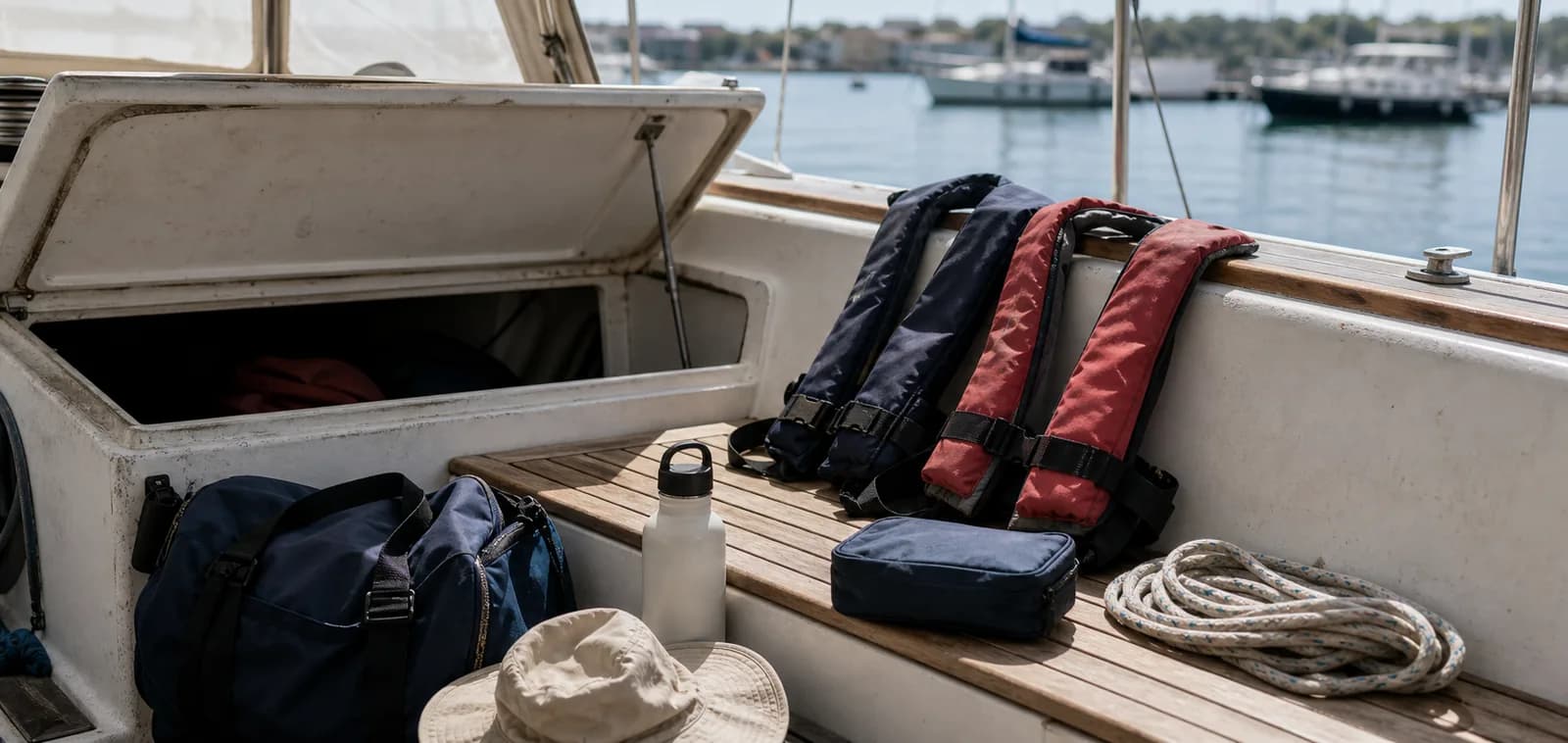
The easiest first charter is not necessarily the shortest or most expensive. It is the one where the crew agrees on the kind of week, the skipper is suitable for the boat, the budget includes the unglamorous lines and nobody discovers a critical deadline in the airport queue.
This timeline works backward from departure. It is deliberately flexible: a simple off-season trip may come together quickly, while a large crew seeking a particular catamaran in school holidays may need much more lead time. The operator’s deadlines always override a general guide.
Six to twelve months before: define the holiday
Start with a one-page crew brief rather than dozens of listings.
Agree on:
- approximate date window and whether it can shift by a week;
- departure countries or regions the crew can reach;
- number of adults and children;
- bareboat, professional skipper or fully crewed preference;
- cabin and bathroom expectations;
- appetite for sailing versus time ashore;
- one comfortable total-budget range;
- mobility, medical, food or privacy needs that affect the boat.
Choose one lead organiser and one financial backup. The lead does not make every decision; they keep the current facts in one place.
If anyone is unsure about sleeping aboard, explain cabin sizes, shared bathrooms, noise, heat and motion honestly. A yacht is a wonderful holiday environment but not a floating hotel room with unlimited storage.
Five to nine months before: shortlist region and boat type
Compare regions using travel time, typical route shape, base choice and the experience required—not just water colour. A destination with easy flights but long exposed legs may fit less well than a nearer island group.
Then compare boat types:
- a monohull for a crew that values sailing and accepts heel and compact living;
- a catamaran for level shared space and cabin separation, with wider-berth implications;
- a motor yacht for faster passages, with fuel and possibly crew as major variables.
Assign every person a real berth on the layout. Check whether the saloon is included in the advertised capacity and whether a professional skipper needs a guest-standard cabin or separate berth.
For bareboat, submit the proposed skipper’s documents and recent comparable experience to the operator before assuming acceptance. Check the destination authority’s recognition rules too.
Four to eight months before: compare complete offers
Use the same worksheet for every candidate. Record:
- base charter price and discount conditions;
- mandatory operator package;
- selected equipment and services;
- professional crew plus meals and berth;
- deposit or waiver arrangement;
- likely fuel and generator use;
- marina, buoy, park and tourist costs;
- transport, parking and pre-charter hotel;
- a contingency agreed by the crew.
Mark the recipient and due date of every known payment. A total is not transparent if it combines refundable security with non-refundable trip cost or hides local payments.
At this stage, read the cancellation and change rules. Discuss what happens if one crew member withdraws, the skipper becomes unavailable or the group wants different dates. Decide whether travel and charter insurance meets the actual risks; do not rely on the product name alone.
At booking: separate payment from confirmation
Check yacht, dates, base, guest count, selected extras and amount due immediately before payment. Save the offer.
The checkout should explain whether the amount is processed for the operator through Stripe Connect or is a clearly displayed Charterwerk reservation fee followed by a balance paid directly to the operator.
After paying, wait for written operator confirmation. A successful card transaction or hold request is not that confirmation. When it arrives, check the exact yacht or disclosed substitution standard, dates, base, operator reference and payment schedule before buying non-refundable travel.
Create a shared folder and calendar for the contract, receipts, due dates, skipper approval, crew list and base instructions.
Three to six months before: design a route with alternatives
The route is a framework, never a promise. Use the usable charter window rather than the dates alone; check-in may consume the first afternoon and return may be required the evening before check-out.
Create:
- a comfortable primary loop;
- a shorter alternative for stronger weather or tired crew;
- a protected first stop;
- a final-night position close enough for an unhurried return;
- optional highlights that can be dropped without “ruining” the week.
Avoid assigning a famous harbour to every night. Berth availability, wind and crew energy change. A flexible route preserves choice.
If bareboat, practise relevant manoeuvres on a comparable boat. Focus on low-speed handling, stern-to mooring if relevant, anchoring, reefing, radio procedure and person-overboard recovery.
Six to twelve weeks before: settle travel and onboard needs
Once operator confirmation is secure, organise travel with enough margin for delays. Arriving near the base one night early can protect an expensive first day from a missed connection.
Confirm:
- transfer or parking arrangements;
- baggage limitations and soft-bag preference;
- bedding and towels;
- child safety net or other approved equipment;
- medical and dietary needs;
- provisioning method;
- professional crew arrangements;
- payment card capacity for the deposit.
Ask the operator before bringing bulky equipment, pets or sports gear. Storage, deck fittings and local rules may limit what can safely come aboard.
Start a crew packing list but keep personal clothing compact. Prioritise sun protection, a warm and waterproof layer, non-slip footwear, medication, charging cables and copies of essential documents.
Four to six weeks before: complete operator information
Submit crew and arrival details through the intended secure channel. Names should match identity documents. If the operator requests passport data or copies, avoid casual public links and unrelated messaging groups.
Check the balance due date and transfer time. Verify the recipient against the official booking documents. If an e-mail unexpectedly changes bank details, confirm through a known contact channel before sending money.
Make sure skipper and radio certificates remain valid for the trip and that the operator has accepted them in writing.
One to two weeks before: turn the plan into a briefing
Review official travel, licence and local navigation requirements. Check the operator’s latest base instructions, not only the original marketing page.
Prepare a simple arrival pack:
- operator name, desk and address;
- booking reference;
- check-in window and late-arrival process;
- remaining local payments;
- security-deposit method;
- technical and emergency contacts;
- return and refuelling requirements.
Assign broad crew roles for arrival and first departure. One person can check inventory, another provisions, while the skipper leads the technical handover. Do not split tasks so widely that nobody understands the complete condition record.
Start looking at weather patterns, but do not treat a long-range forecast as an itinerary decision.
Two days before: protect the first 24 hours
Confirm travel status and inform the base about material delays. Put essential medication and documents in hand luggage. Download charts or operator material intended for offline use, while retaining proper approved navigation sources aboard.
Plan an easy first meal and enough water in case shopping takes longer. Make the first intended leg short, with a clear option to remain at the base if handover or weather demands it.
Remind the crew that the skipper can change the route. Agreement before departure reduces pressure when a safety decision is needed.
Check-in day: slow down at the important moment
Verify the yacht identity and walk through the condition report. Photograph existing damage. Test or locate engine controls, steering, emergency tiller, navigation instruments, radio, anchor gear, bilge pumps, safety equipment, gas shut-off, tender and essential domestic systems.
Ask for unfamiliar equipment to be demonstrated. Record fuel and water levels. Confirm navigation limits, official forecast sources, return process and after-hours support.
Before leaving, brief lifejackets, safe movement, toilet use, fire response, engine stop, radio and the first manoeuvre. The goal is not to recite a manual; it is to ensure every person knows the few actions that protect the crew.
During and after the charter
Check weather and crew readiness daily. Report technical issues early through the stated operator channel. Keep receipts where the contract requires them and do not authorise major repairs without agreement unless immediate safety demands action.
Return with the required fuel, on time and with room for inspection. Record any issue openly. Keep the return document until the deposit is released and all agreed charges are settled.
After the trip, capture what the next crew should repeat or change: boat size, route pace, packing, costs and operator communication. That is more useful than remembering only the best anchorage.
FAQ
How early should a first charter be booked?
It depends on season, crew size, destination and how specific the yacht requirements are. Start earlier for school holidays and particular layouts, but never let scarcity pressure replace document, cost and term checks.
Should a first-time crew hire a skipper?
Hire one when no proposed skipper is accepted and recently experienced on a comparable boat, or when the crew wants to learn without carrying full responsibility. Confirm their berth, meals, fee and role before booking.
What is the most common planning mistake?
Treating the route as fixed. Weather, berth availability, technical issues and crew energy can change. A shorter alternative and generous return margin make the plan more resilient.
Continue your planning
Reviewed guides for the practical questions that usually come next.
Families
A yacht charter with children: a practical family decision guide
Plan a family yacht charter around supervision, correctly fitted safety equipment, boat layout, weather margin and routines that children can actually sustain.
Booking clarity
Yacht charter security deposits and damage waivers explained
Understand card holds, paid deposits, damage waivers and separate deposit insurance before a yacht charter—without assuming that the product name defines the cover.
Booking
Yacht charter cancellations, changes and insurance: a decision guide
Understand which contract controls a cancellation or change, what travel insurance may assess, and which evidence to collect before making an expensive decision.
Turn the guide into a shortlist
Compare current yachts first, then ask us to clarify operator wording before you commit.